place
Japan
Or see the 112 photographs tagged “japan” — a narrower set, chosen by keyword rather than by where it was taken.
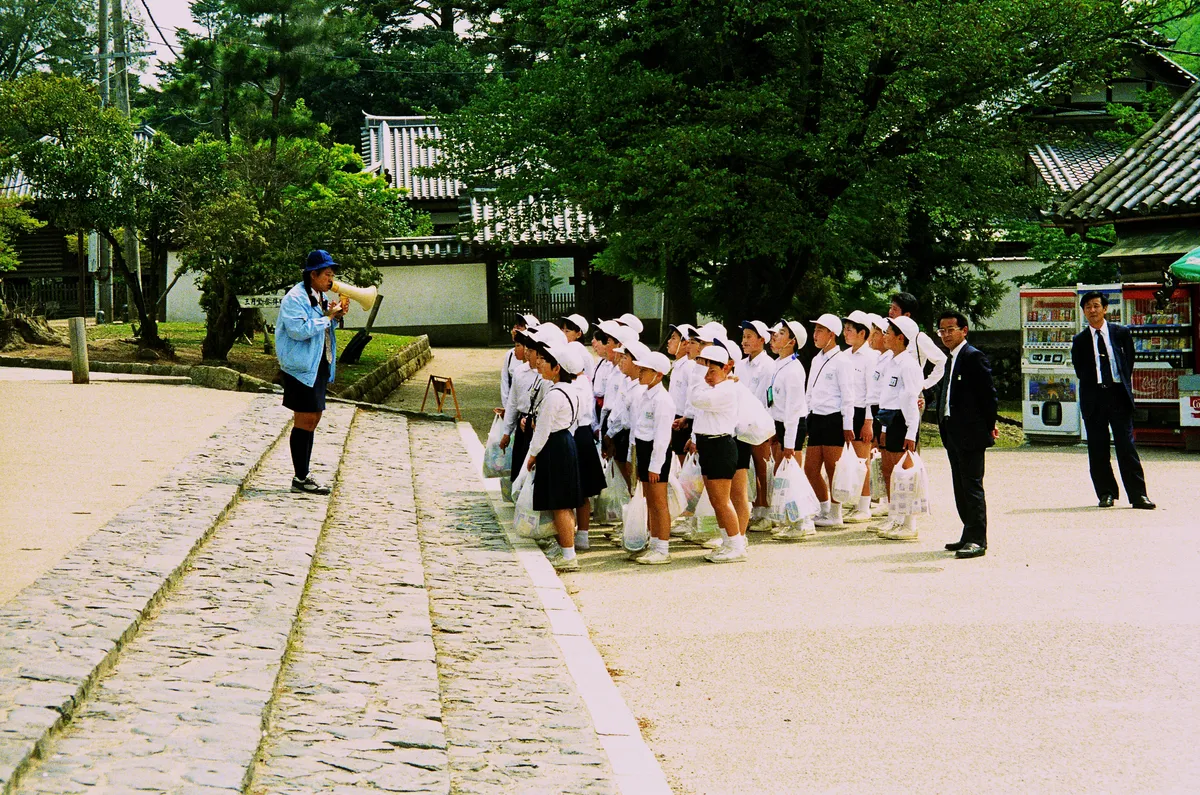 Parents Visit in 1993
While I was living in Kanazawa, Japan as an exchange student from 1992 to 1993 both my parents came to visit for two-weeks. I arrived in Kanazawa weighing at some 300 pounds. I left Japan around the weight I now weigh which is some 120 pounds lighter than 300. In the months that elapsed from my arrival and my parents' my clothes got progressively larger and larger on me. Even at my slimmed down weight I was still large as a Japanese, and I could not find, nor frankly afford, new jeans or pants. I mention all this to help explain why you see me in these shots in some pretty ill-fitting clothes. I should also note I was never much of a snappy dresser and spending most of my days in a school uniform did little to remedy this deficiency.
Parents Visit in 1993
While I was living in Kanazawa, Japan as an exchange student from 1992 to 1993 both my parents came to visit for two-weeks. I arrived in Kanazawa weighing at some 300 pounds. I left Japan around the weight I now weigh which is some 120 pounds lighter than 300. In the months that elapsed from my arrival and my parents' my clothes got progressively larger and larger on me. Even at my slimmed down weight I was still large as a Japanese, and I could not find, nor frankly afford, new jeans or pants. I mention all this to help explain why you see me in these shots in some pretty ill-fitting clothes. I should also note I was never much of a snappy dresser and spending most of my days in a school uniform did little to remedy this deficiency.
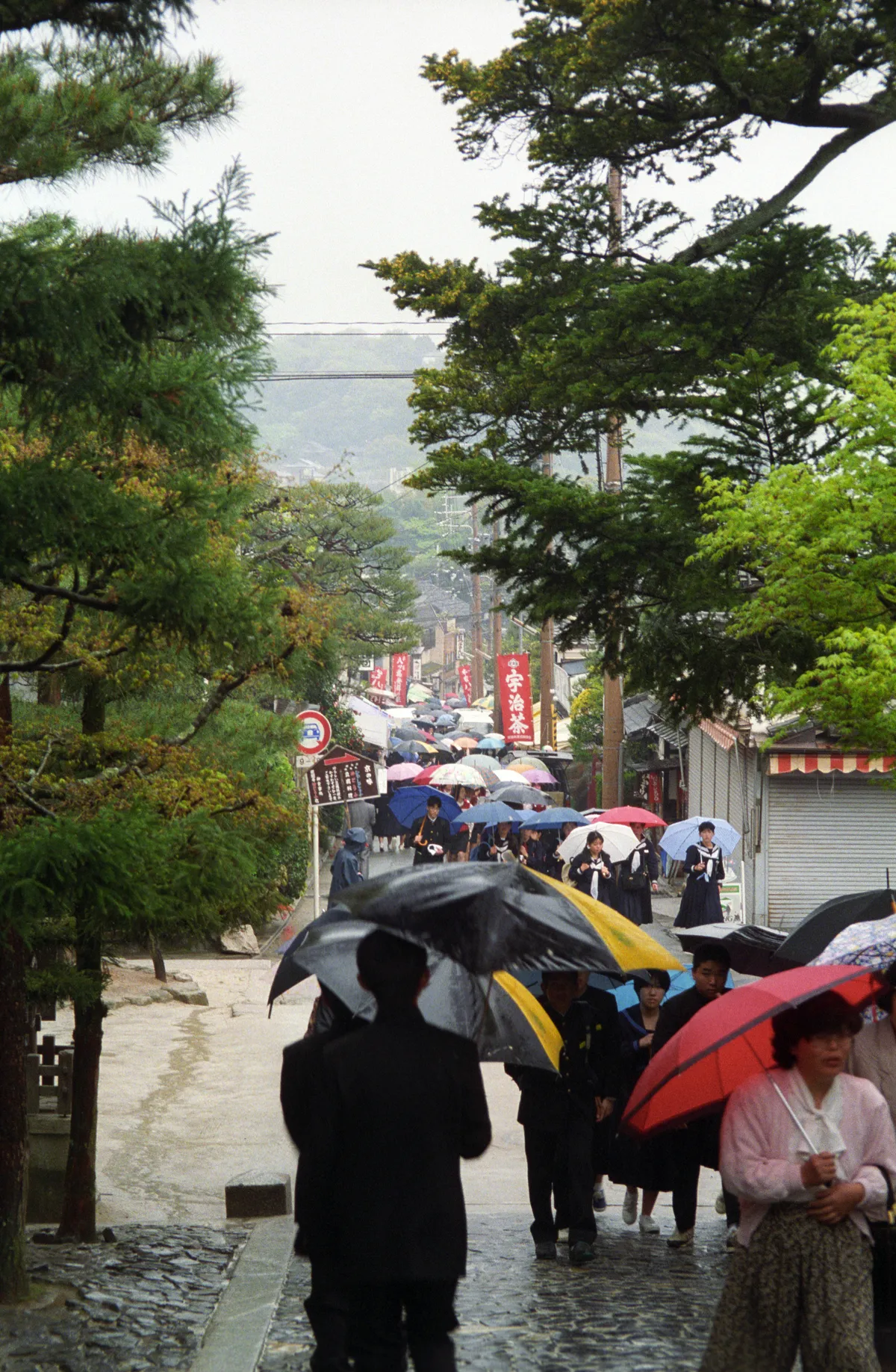 35mm Negatives
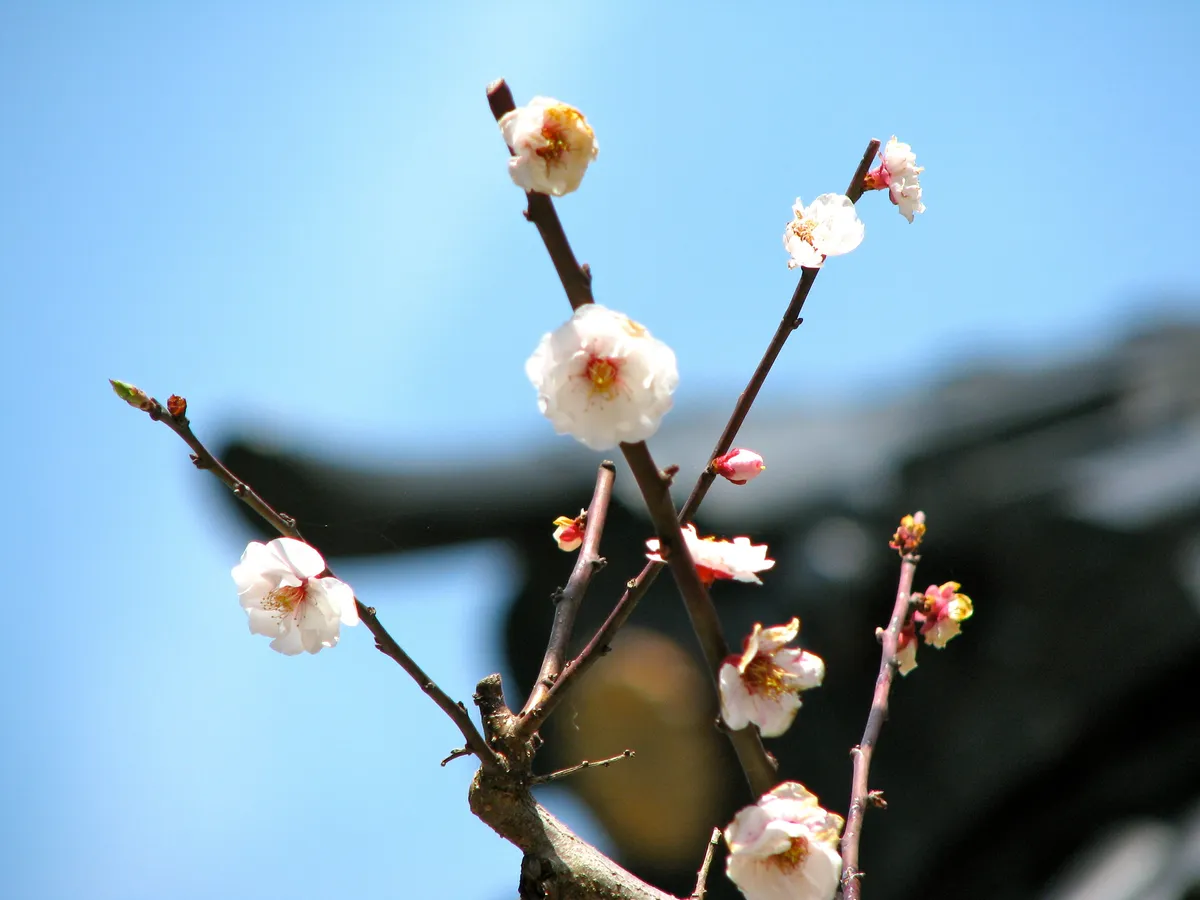 金沢市尾山神社
I visited Oyama (Mountain Tail) Shrine on my last day in Kanazawa. Visited this shrine weekly, if not daily, when I lived in Japan from 1992-1993. Situated in the middle of downtown Kanazawa and just outside of Kenrokuen and Kanazawa Castle, it is a small and secluded area; perfect for stepping out of the noise and bustle of daily life.
金沢市尾山神社
I visited Oyama (Mountain Tail) Shrine on my last day in Kanazawa. Visited this shrine weekly, if not daily, when I lived in Japan from 1992-1993. Situated in the middle of downtown Kanazawa and just outside of Kenrokuen and Kanazawa Castle, it is a small and secluded area; perfect for stepping out of the noise and bustle of daily life.
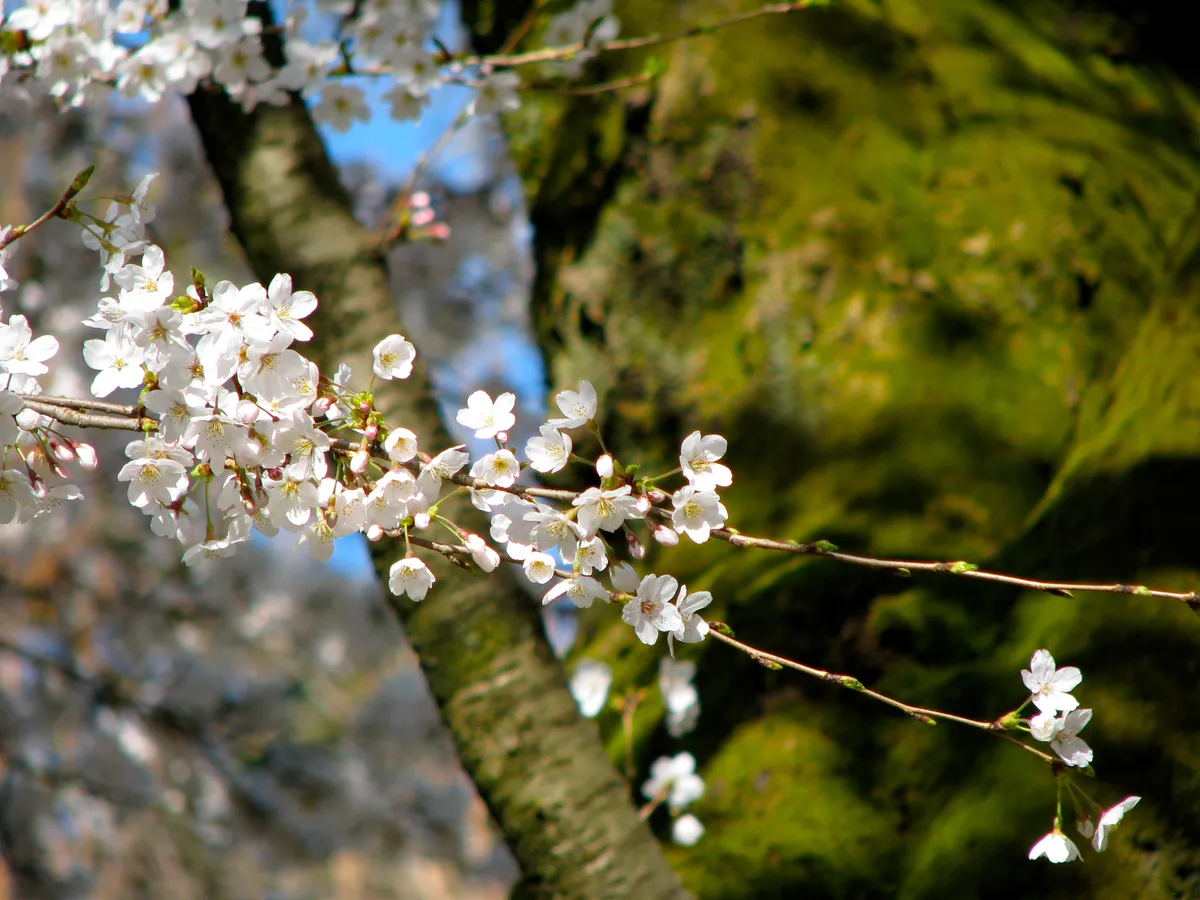 金沢城
Kanazawa Castle has been reborn since I last lived in Kanazawa back in 1995-96. In 1992 it still housed a part of Kanazawa University and was basically gutted of most of its glory. In 1995 it was closed and its future somewhat uncertain. In 2010 you can feel some of its history and past glory.
金沢城
Kanazawa Castle has been reborn since I last lived in Kanazawa back in 1995-96. In 1992 it still housed a part of Kanazawa University and was basically gutted of most of its glory. In 1995 it was closed and its future somewhat uncertain. In 2010 you can feel some of its history and past glory.
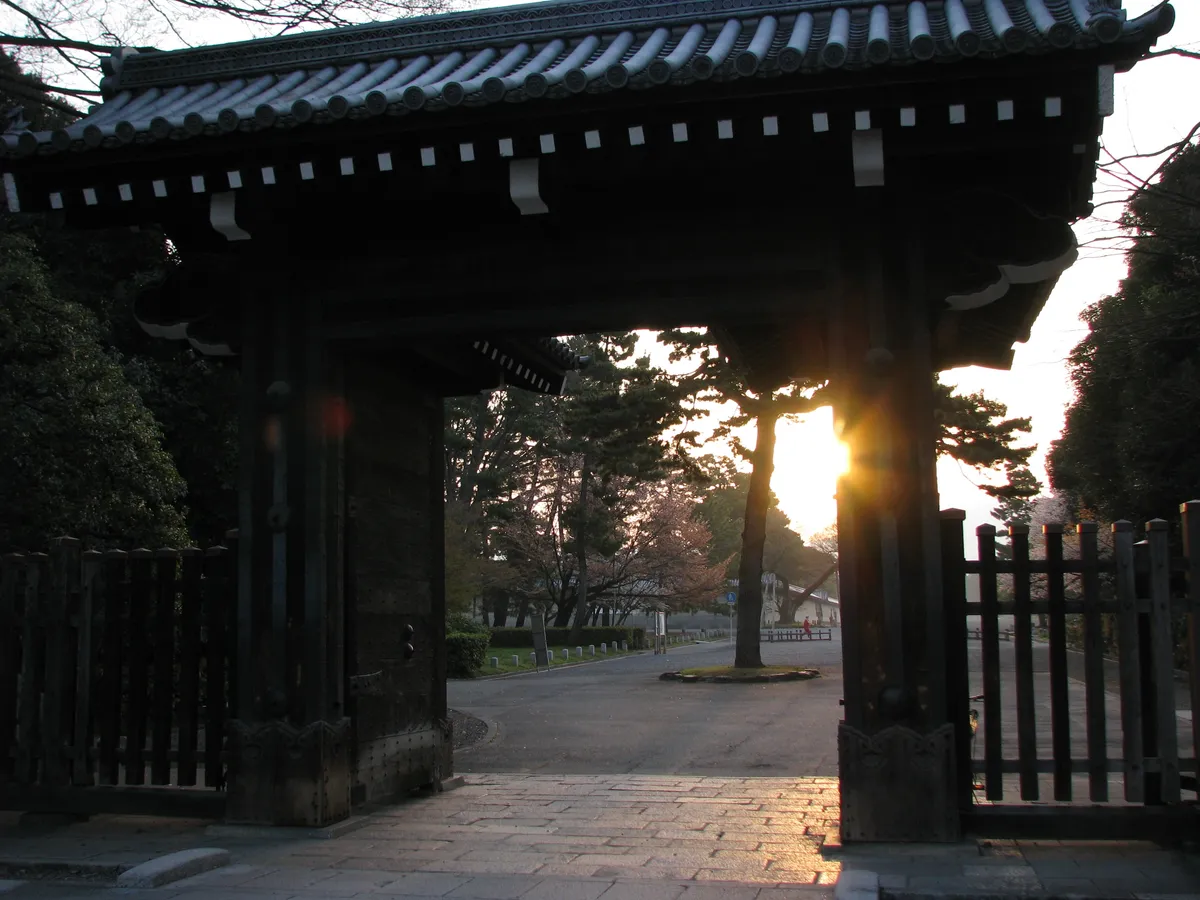 京都御所
Kyoto's Royal Palace is a place to behold. I was fortunate enough to stay right outside one of the entrances allowing me a spectacular amount of ready access to roam the grounds.
京都御所
Kyoto's Royal Palace is a place to behold. I was fortunate enough to stay right outside one of the entrances allowing me a spectacular amount of ready access to roam the grounds.
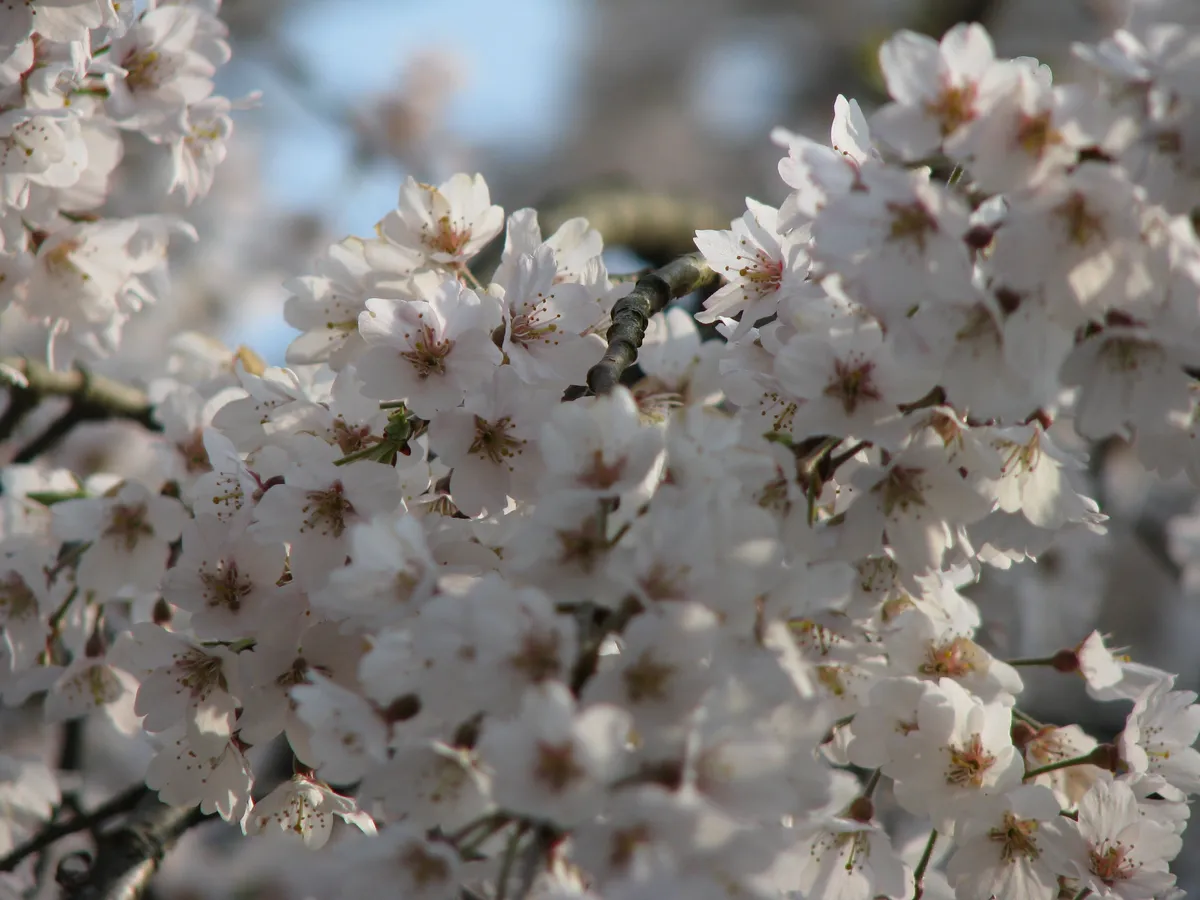 京都円山公園
Maruyama Park in Kyoto is argubly the legendary epicenter of cherry blossom viewing in this legendary city. My own experience was slightly marred by the garbage left from the night before's revelers; nevertheless, it is a park filled with a staggering variety of cherry blossoms. It is well-worth the effort to overlook the cramped stalls and remains of beer cans to see.
京都円山公園
Maruyama Park in Kyoto is argubly the legendary epicenter of cherry blossom viewing in this legendary city. My own experience was slightly marred by the garbage left from the night before's revelers; nevertheless, it is a park filled with a staggering variety of cherry blossoms. It is well-worth the effort to overlook the cramped stalls and remains of beer cans to see.
 伊勢神宮
Ise Shrine is to some "The Shrine" in Japan. It is argubly the center of all that is traditional Japanese.
伊勢神宮
Ise Shrine is to some "The Shrine" in Japan. It is argubly the center of all that is traditional Japanese.
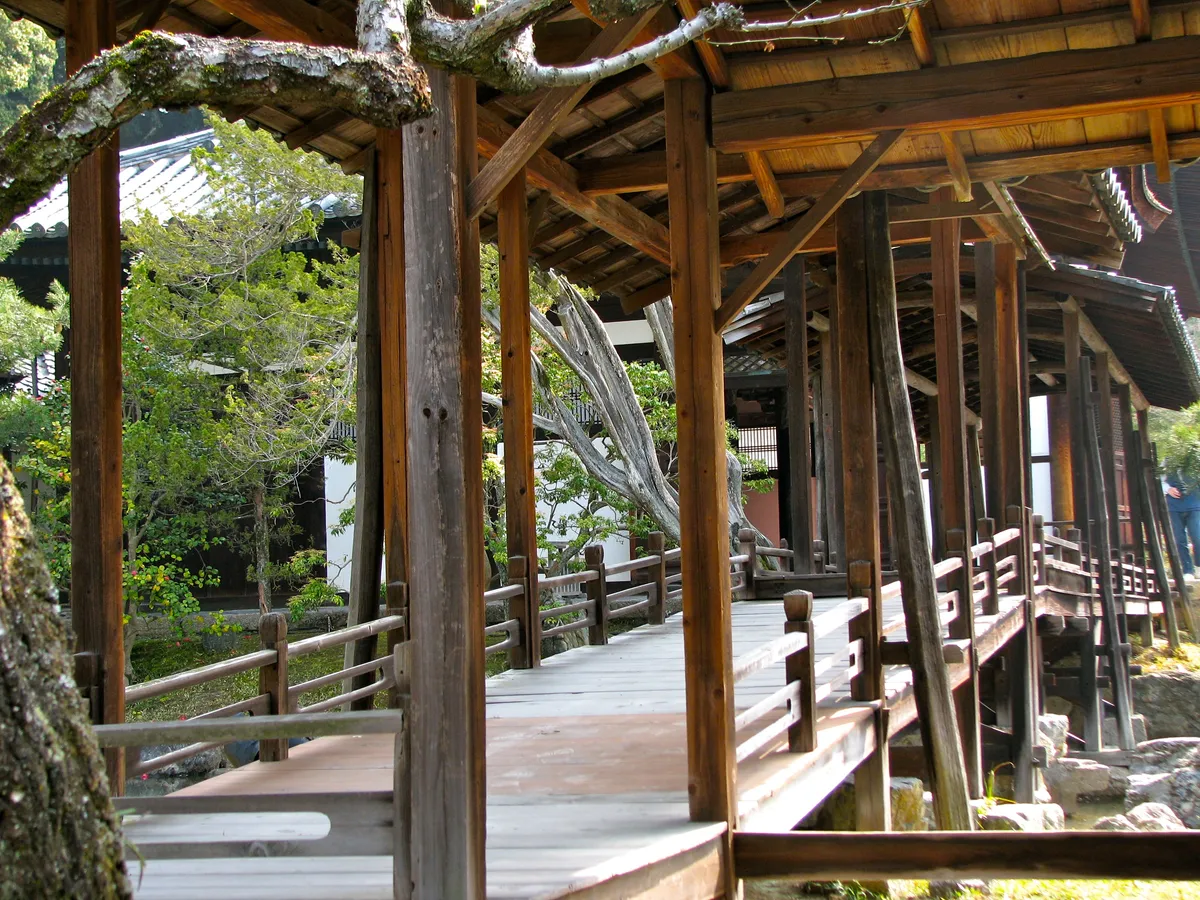 京都高台寺
Koudai Temple is one those understated gems of Kyoto. From the exterior it looks much like any other of the hundreds of historical sites found within the city; however, upon entry you discover some quite the contrary the norm. It is maintained in a manner that transports you back to a different day, it does not have the feel of being frozen in time but a living breathing organism still thriving amongst the crunch of tour bus tires on gravel and tourists jabbering away just outside its doors.
京都高台寺
Koudai Temple is one those understated gems of Kyoto. From the exterior it looks much like any other of the hundreds of historical sites found within the city; however, upon entry you discover some quite the contrary the norm. It is maintained in a manner that transports you back to a different day, it does not have the feel of being frozen in time but a living breathing organism still thriving amongst the crunch of tour bus tires on gravel and tourists jabbering away just outside its doors.
 金沢兼六園
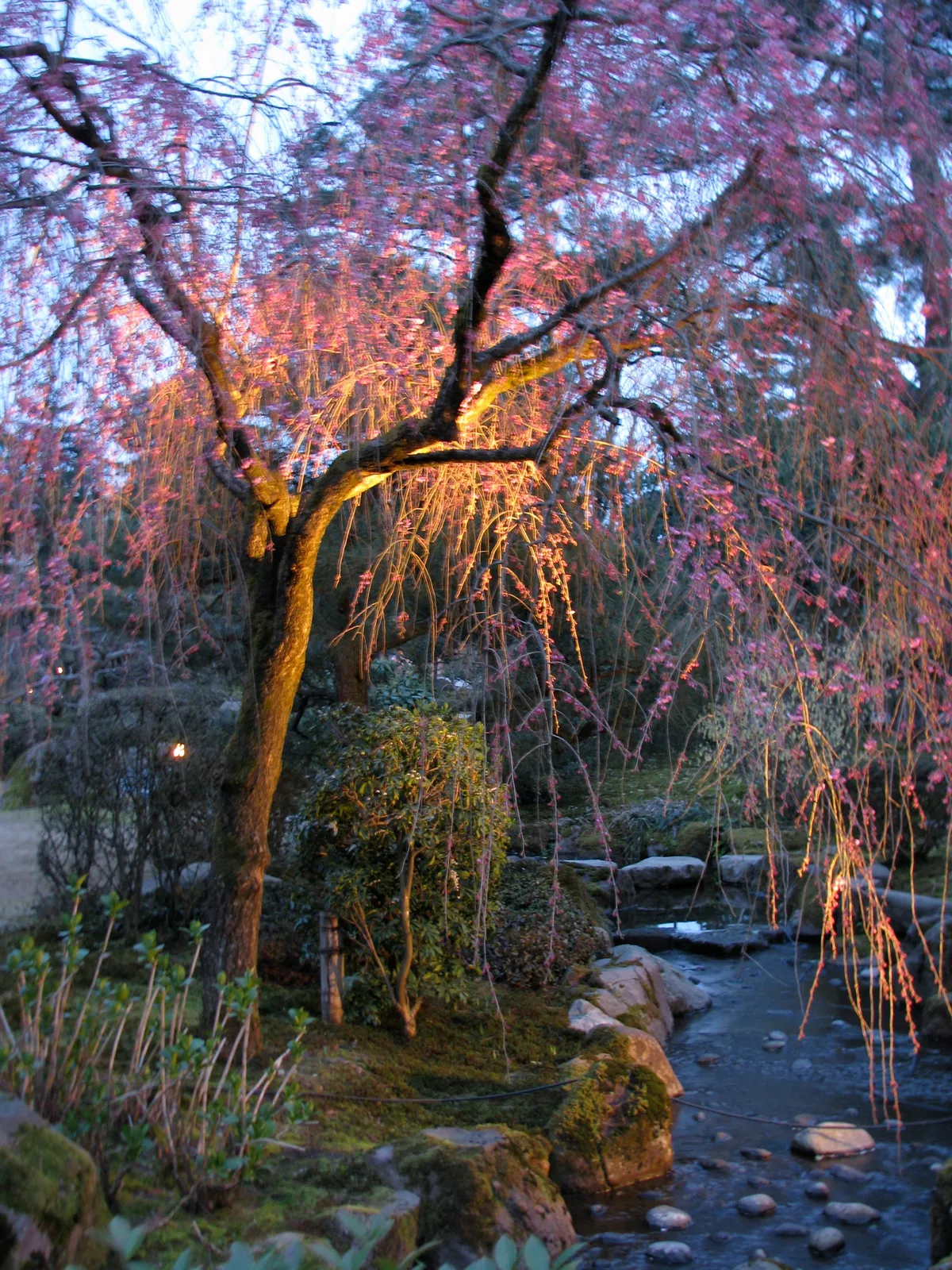
Kanazawa's Kenrokuen is one of three gardens in Japan that are considered to be the best examples of traditional Japanese garden aesethics. The other two are 偕楽園 (kai-raku-en) and 後楽園 (kou-raku-en). Kenroku refers to the six attributes that define a garden at its aeshetic perfection, or: spaciousness 宏大 (kou-dai); tranquility or seclusion 幽邃 (yuu-sui); artificiality 人力 (jin-ryoku); antiquity 蒼古 (sou-ko); water springs 水泉 (sui-sen); and, panoramas 眺望 (chou-bou). Some of the best gardens open a few or even many of these attributes, but rarely does a garden achieve all six; and yet, Kenroku-en does just this. I spent nearly every week within Kanazawa both years that I lived in the city. There are even early morning and late evening sojourns within the garden while it was closed to sit on a bench and watch the city slumber. As arrogant and self-appropriating as it is, I came to view it as my garden while I lived in Kanazawa. And to this day I still from time to time will be reminded on it with a sound or a smell or a sight. I do not think I will ever tire of these memories.
金沢兼六園
Kanazawa's Kenrokuen is one of three gardens in Japan that are considered to be the best examples of traditional Japanese garden aesethics. The other two are 偕楽園 (kai-raku-en) and 後楽園 (kou-raku-en). Kenroku refers to the six attributes that define a garden at its aeshetic perfection, or: spaciousness 宏大 (kou-dai); tranquility or seclusion 幽邃 (yuu-sui); artificiality 人力 (jin-ryoku); antiquity 蒼古 (sou-ko); water springs 水泉 (sui-sen); and, panoramas 眺望 (chou-bou). Some of the best gardens open a few or even many of these attributes, but rarely does a garden achieve all six; and yet, Kenroku-en does just this. I spent nearly every week within Kanazawa both years that I lived in the city. There are even early morning and late evening sojourns within the garden while it was closed to sit on a bench and watch the city slumber. As arrogant and self-appropriating as it is, I came to view it as my garden while I lived in Kanazawa. And to this day I still from time to time will be reminded on it with a sound or a smell or a sight. I do not think I will ever tire of these memories.
 名古屋城
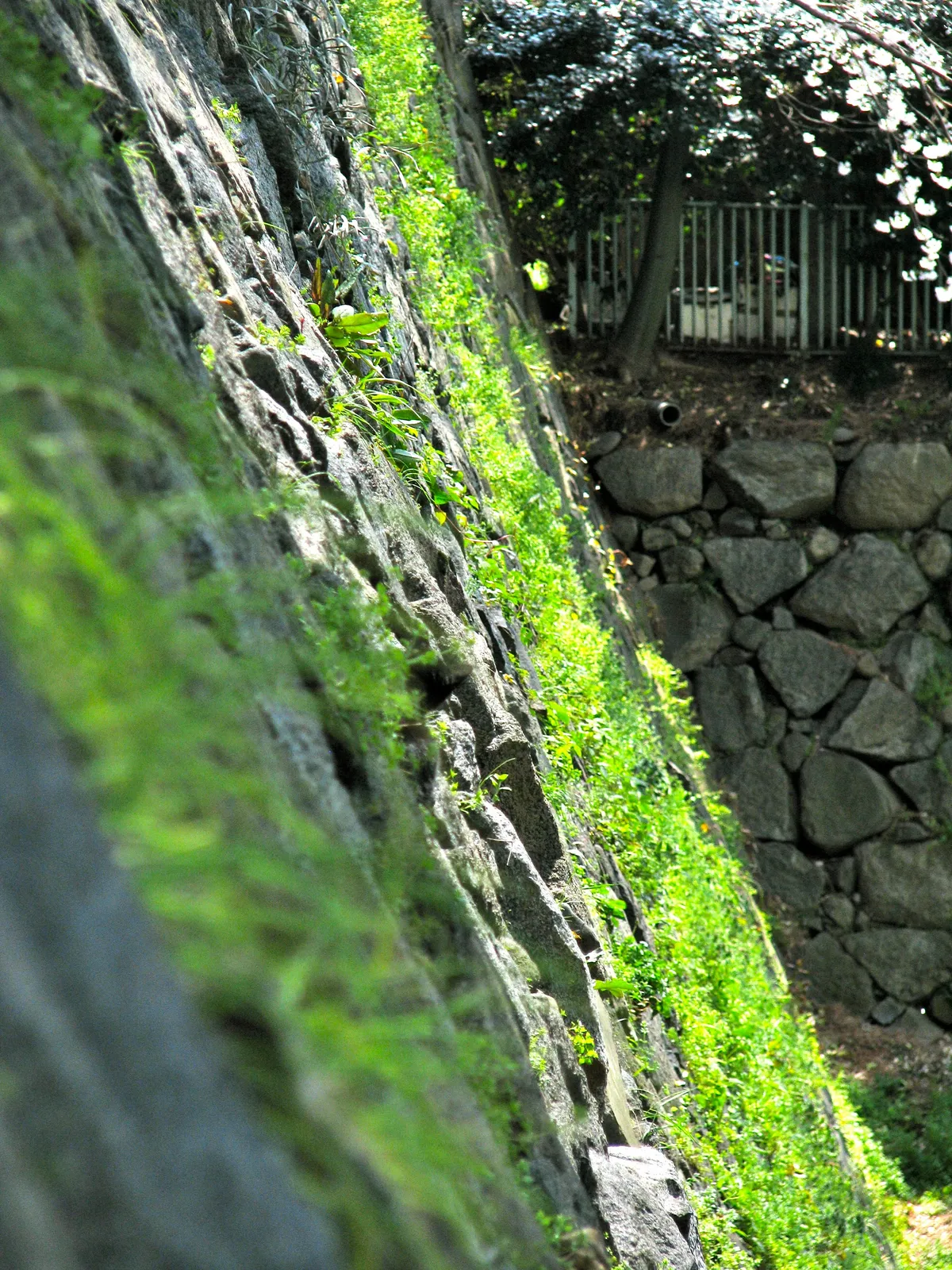
Nagoya Castle is a great example of history kept alive and beautiful. It is a gorgeous site to walk through both the external walls and moats and the interior of the castle. Amazingly it is some stories to the top and everyone walked the stairs up and down. More amazing is the number of couples in their 60s and 70s making the trek
名古屋城
Nagoya Castle is a great example of history kept alive and beautiful. It is a gorgeous site to walk through both the external walls and moats and the interior of the castle. Amazingly it is some stories to the top and everyone walked the stairs up and down. More amazing is the number of couples in their 60s and 70s making the trek
 京都鴨川公園
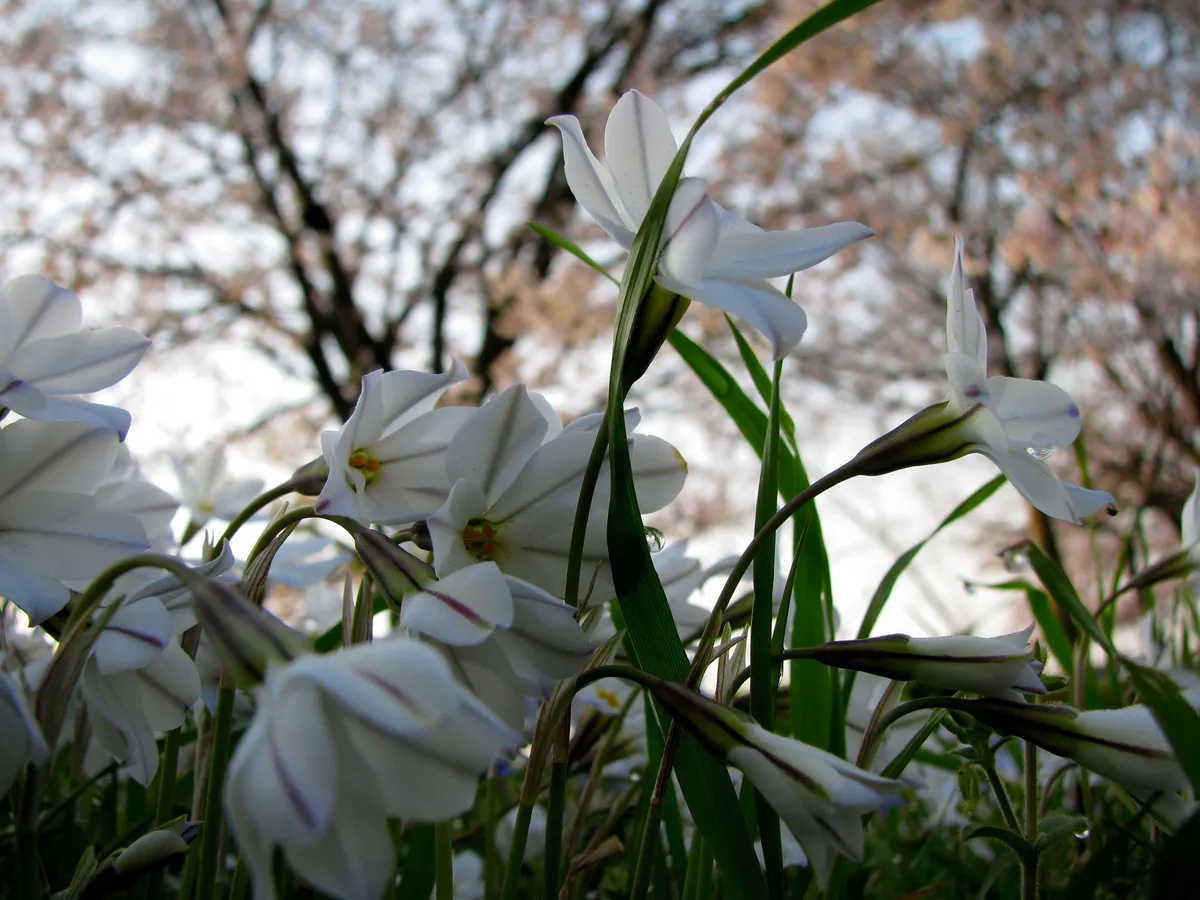
Kyoto's Kamogawa Park is situated in the eastern half of the old city running north to south. Along the park are pedestrian areas with cherry blossoms all along the way. It is a great place to go sit next to the river, eating a bit while watching kids and parents interact.
京都鴨川公園
Kyoto's Kamogawa Park is situated in the eastern half of the old city running north to south. Along the park are pedestrian areas with cherry blossoms all along the way. It is a great place to go sit next to the river, eating a bit while watching kids and parents interact.
 京都清水寺
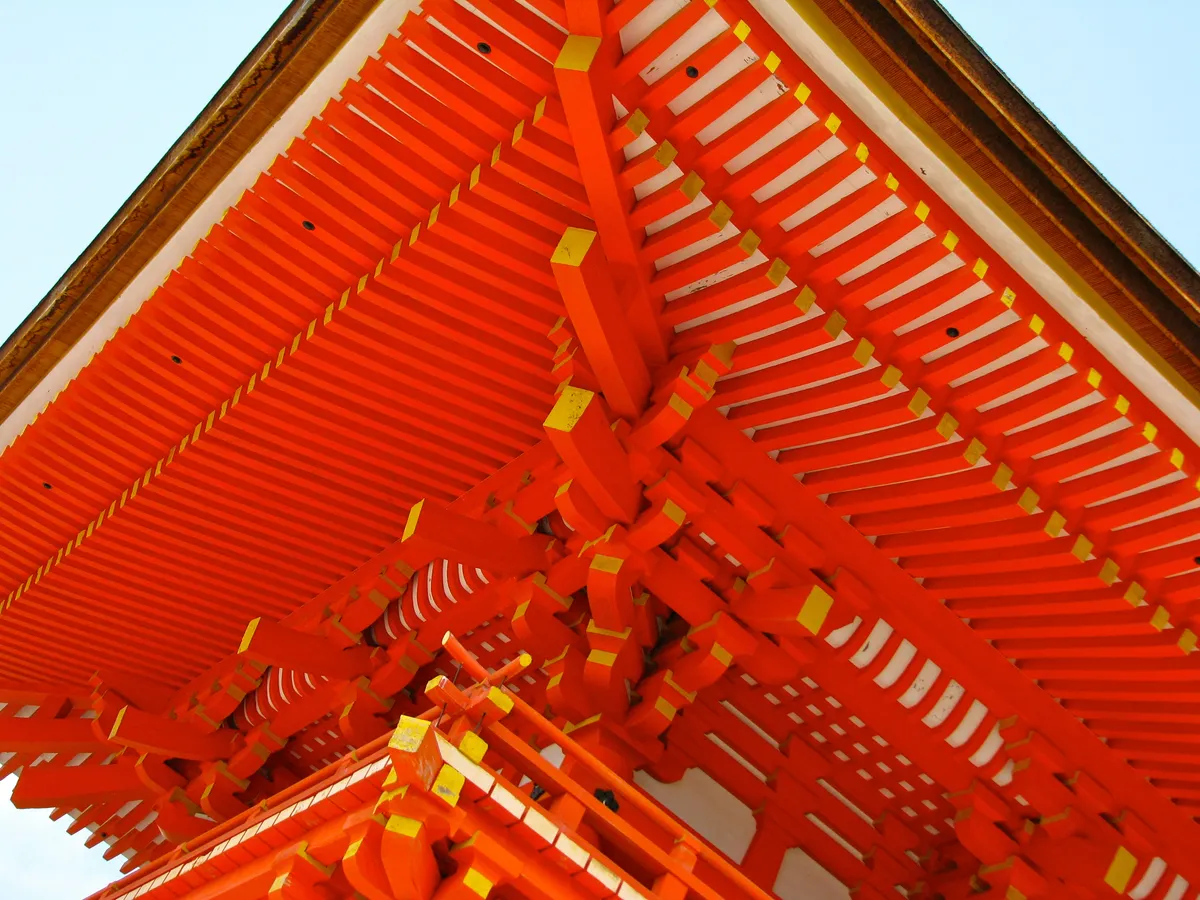
Kyoto's Seisui Temple is an obvious point of interest to any tourist visiting the city for its lush grounds, striking architecture and sheer size. It is hard to fathom how much more emposing this site must have been in the centuries before this age when such places would have dwarfed even modest-sized villages.
京都清水寺
Kyoto's Seisui Temple is an obvious point of interest to any tourist visiting the city for its lush grounds, striking architecture and sheer size. It is hard to fathom how much more emposing this site must have been in the centuries before this age when such places would have dwarfed even modest-sized villages.
 京都知恩院
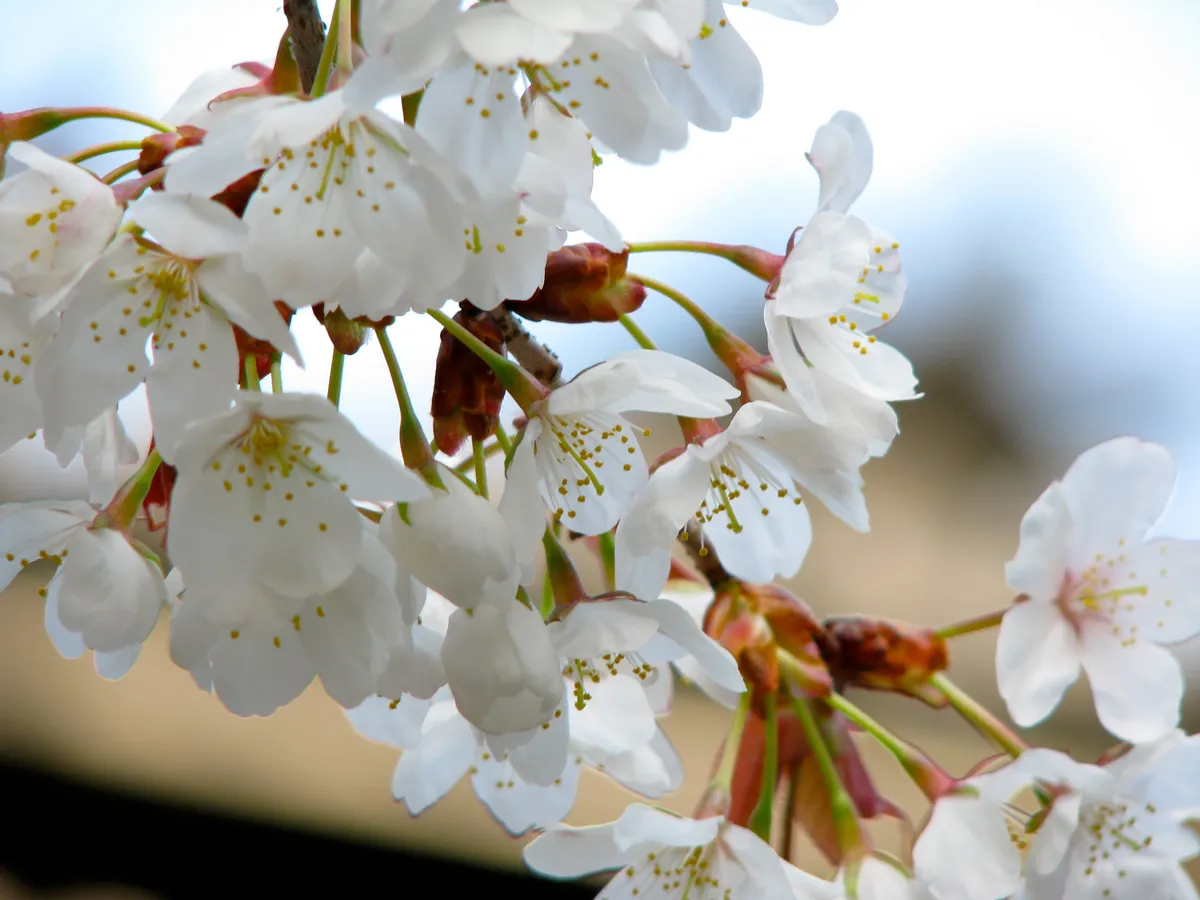
Kyoto's Chion Temple is connected to Hounen who founded the Pure Land Sect. The site, considered a national treasure, was under major rennovation when I visited in April of 2010.
京都知恩院
Kyoto's Chion Temple is connected to Hounen who founded the Pure Land Sect. The site, considered a national treasure, was under major rennovation when I visited in April of 2010.
 名古屋山崎川
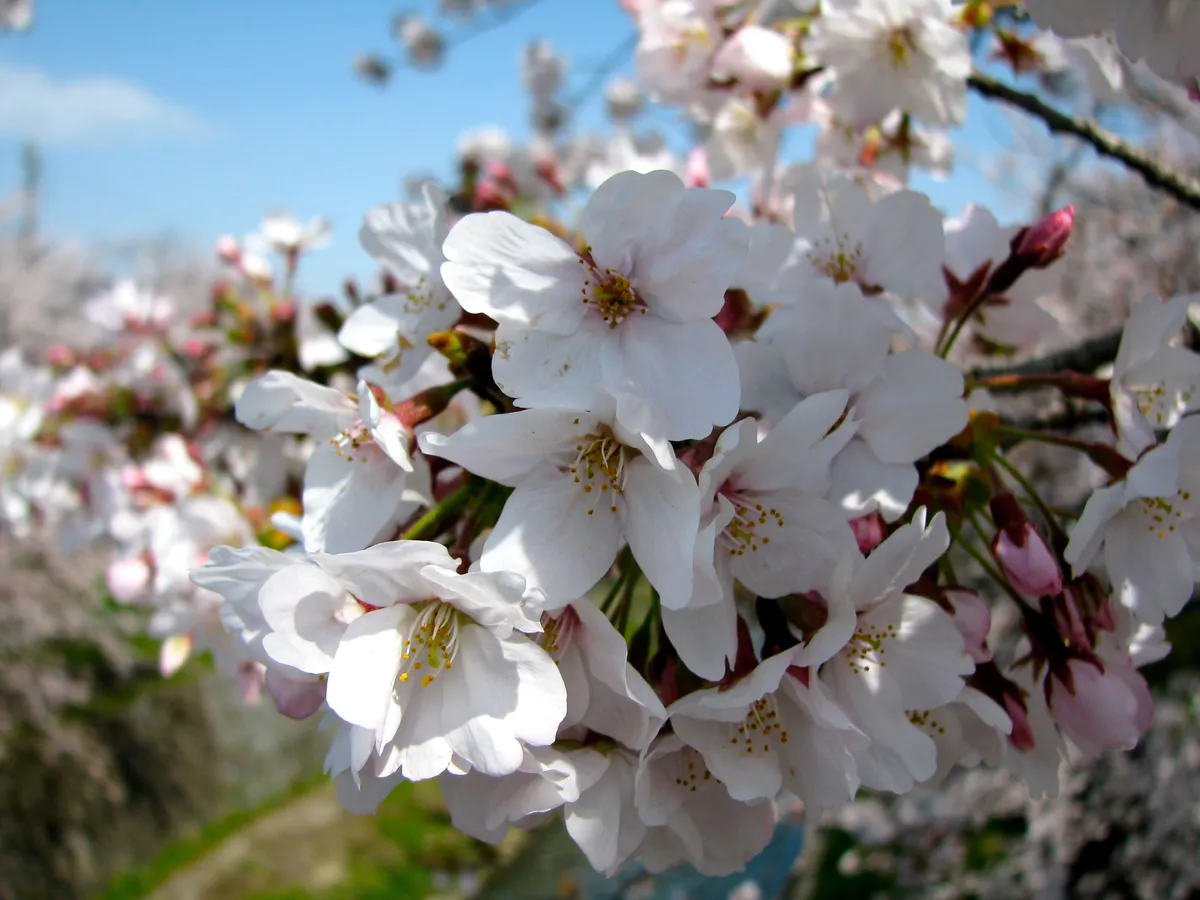
Nagoya's Yamasaki River is considered one of the top 100 places in Japan to view cherry blossoms. It boasts over 600 trees planted along the river. Given the hip, modern neighborhoods surrounding the area we walked it was a place of great appeal.
名古屋山崎川
Nagoya's Yamasaki River is considered one of the top 100 places in Japan to view cherry blossoms. It boasts over 600 trees planted along the river. Given the hip, modern neighborhoods surrounding the area we walked it was a place of great appeal.
 名古屋徳川園
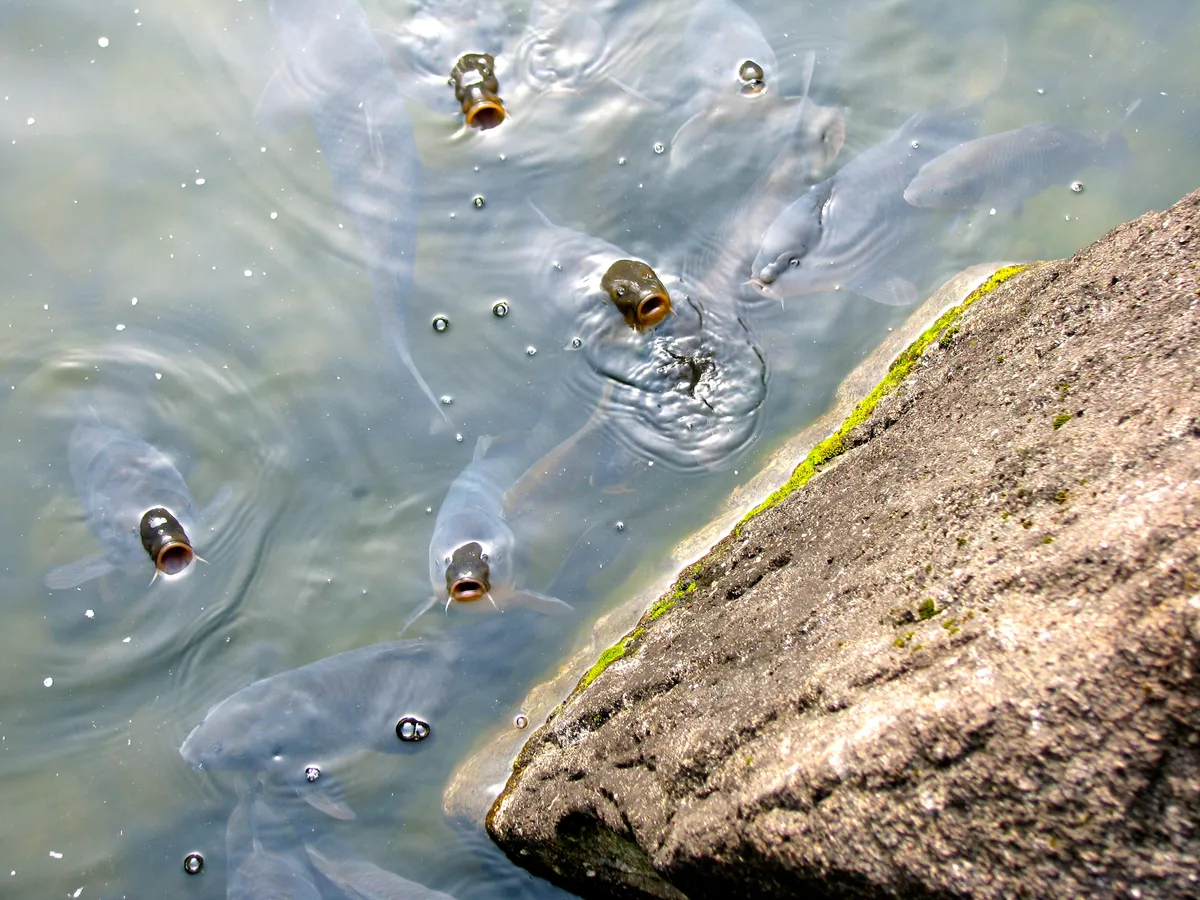
Nagoya's Tokugawa Garden is definitely worth a visit for those looking to combine a great historical musuem along with an excellent garden. I particularly enjoyed just sitting watching the children feed the koi (carp).
名古屋徳川園
Nagoya's Tokugawa Garden is definitely worth a visit for those looking to combine a great historical musuem along with an excellent garden. I particularly enjoyed just sitting watching the children feed the koi (carp).